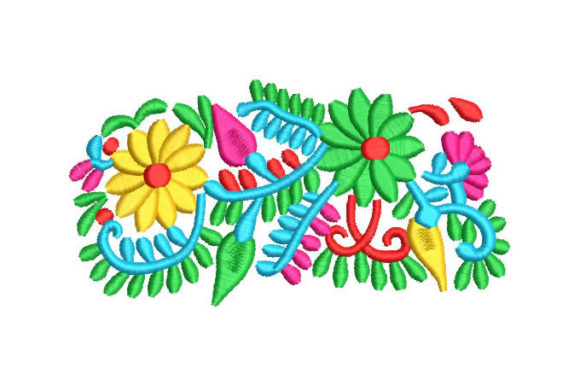
A Professional Review of the Flowers and Colored Branches Embroidery Design
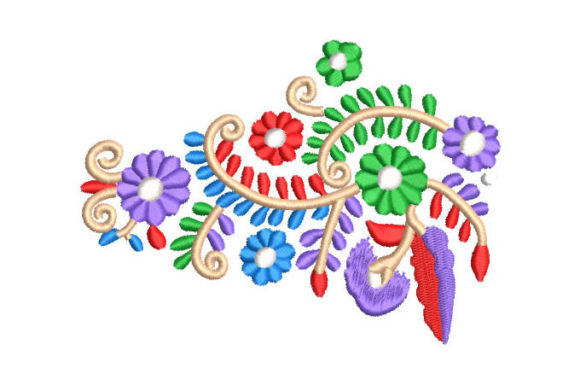
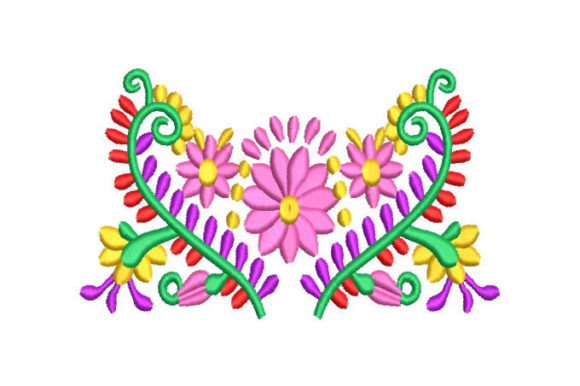
As an embroidery designer working with small businesses every day, my first task is to evaluate a design's potential for real-world branding and merchandise. When I look at Flowers and Colored Branches, the immediate impression is of a friendly and playful aesthetic, yet with a structure that suggests it can also carry a professional weight. The "splendid explosion of color" mentioned in the description is exactly what many modern brands crave—a vibrant, lively identity that stands out on shelves and uniforms. This isn't just a decorative piece; it's a potential brand mark.
Visual Personality and Business Brand Alignment
The design, categorised under Bouquets, inherently communicates growth, natural beauty, and organic creativity. For a small café, boutique bakery, florist, or a handmade craft studio, this visual language is a direct fit. It feels handmade and artisanal, which elevates the perceived value of your products. When a customer sees this embroidery on an apron or a tote bag, they instantly associate your business with care, color, and a personal touch. This builds customer trust and engagement far more effectively than a plain text logo could.
Real-World Application for Small Business Merchandise
Let's translate that visual appeal into tangible items. The versatility of this machine embroidery design is its greatest asset for merch creators and apparel decorators.
Primary Applications for Brand Building
Flowers and Colored Branches can serve as a central brand accent across multiple products.
- Embroidered Patches: This design is ideal for a custom patch. Applied to staff uniforms, denim jackets, or as a product label on handmade goods, it creates instant visual consistency. For an Etsy seller or pet brand, a patch with this design sewn onto a product bag becomes a recognizable signature.
- Apron & Uniform Embroidery: For cafes, bakeries, or creative studios, embroidering this onto aprons or the chest of work shirts injects personality into the team's look, fostering a professional yet approachable atmosphere.
- Cap Embroidery: On the curved front of a cap, the bouquet-style layout can work beautifully if the design is adapted for the smaller space, making it perfect for event merch or a boutique's branded giveaways.
- Tote Bag Design: A tote bag featuring this embroidery becomes a stylish, reusable piece of merchandise that customers love to carry, constantly promoting your brand.
- Product Packaging Accents: Think smaller—as a subtle embroidered detail on the corner of a fabric product tag or a handkerchief included as a customer gift.
Critical Considerations for Production Success
To ensure this beautiful design translates into a flawless finished product, especially for commercial embroidery runs, a designer must proceed with practical caution.
Where to Use Carefully
The described "explosion of color" likely means multiple thread colors and potentially intricate details. Here are key points to test:
- Small Patch Sizes: If you need a very small patch (under 2 inches), the density and detail of Flowers and Colored Branches might become muddy. Always test it at your intended size first.
- Cap Fronts & Curved Surfaces: The design's layout must be checked for the specific cap hoop size. The hoop size and curvature can distort elements if not properly adapted.
- High Stitch Density: A dense design can be stiff on flexible items like hats or feel bulky on lightweight fabrics. This affects comfort and wearability.
- Dark Uniforms & Textured Fabric: The color palette must have enough contrast to pop on dark fabrics like black polo shirts. Similarly, test on the actual fabric texture you'll use—a canvas tote bag versus a smooth cotton apron.
- Items for Frequent Washing: Merchandise like work shirts needs durability. Using proper stabilizer and quality thread during production is non-negotiable to maintain the design's integrity through washes.
Essential Designer Pre-Production Checklist
Before running any machine for a business order, I follow this protocol with every digital embroidery file, including Flowers and Colored Branches:
- Test in Black and White First: Sew out a single-color version. This reveals the pure structure and outlines, helping you spot any spacing or integrity issues without color distraction.
- Review Thread Color Contrast: Map the provided color list against your actual fabric samples. Ensure adjacent colors are distinct enough.
- Inspect Spacing and Detailing: Look closely at the stitch file for any overly tiny elements or lettering that might not sew cleanly.
- Test on Real Fabric: Never rely on a screen preview. Sew the design on a scrap of the exact material and stabilizer combination you'll use in production.
- Create a Printable Mockup for Client Approval: For your small business client—the café owner or boutique manager—provide a mockup of the design on a shirt, apron, or bag. This confirms their vision and prevents costly mistakes.
- Compare Beside Other Design Assets: Hold the embroidered sample next to your business's other branding (website, logo). Does it harmonize and strengthen your brand identity?
- Confirm Commercial Licensing: The product description mentions it comes with multiple embroidery file formats. As a professional, I must advise: always verify the license terms for the specific file set you purchase to ensure unrestricted use for small business merch and custom apparel you sell.
Final Assessment for Business Value
Flowers and Colored Branches is more than a beautiful embroidery file; it's a potent design asset. When executed with the proper technical care outlined above, it transforms into a mark of quality that elevates your entire brand presentation. It tells a story of creativity and attention to detail that resonates with today's customers. For the small business owner looking to invest in embroidered merchandise that builds recognition, adds value to their products, and visually unifies their team and offerings, this design offers a vibrant and versatile foundation. My professional recommendation is to embrace its color and life, but always ground that excitement in meticulous, real-world testing and production planning.