An Embroidery Designer's Real-World Review: Blue Butterfly with Large Wings
As I sit here, planning my stock for a weekend craft fair, I open the Blue Butterfly with Large Wings embroidery file. My first task as a professional embroidery designer is to judge not just its beauty, but its viability—how will this digital embroidery file translate into actual, sellable products on my booth table? This is the moment where art meets commerce.
First Impression: Bold Elegance with a Handmade Advantage
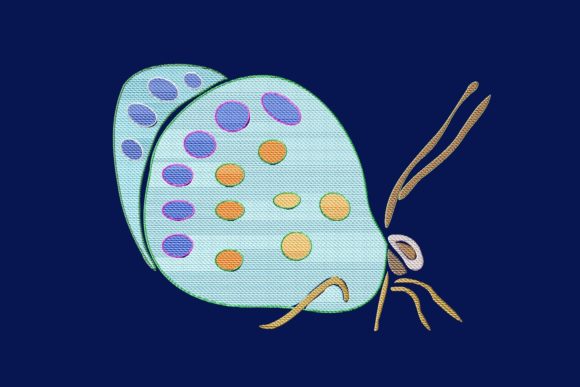
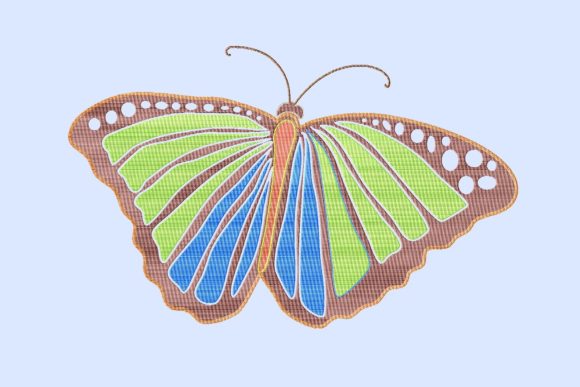
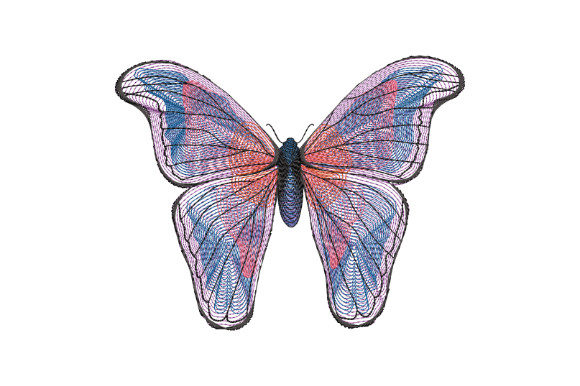
The Blue Butterfly with Large Wings is, by its very description, a statement piece. The mention of “large blue-red wings” immediately signals a design that leans toward bold and decorative rather than cute or minimal. It feels elegant, with a touch of rustic charm, and that “symbol of good luck” adds a narrative layer—a story I can tell customers. This isn’t just a decoration; it’s an emblem. For the handmade market, that’s premium value. It doesn’t scream “festive” or “funny”; it whispers “special” and “meaningful,” which is perfect for giftable handmade items.
Where This Butterfly Will Shine on the Craft Fair Table
Visualizing my display—tote bags, aprons, tea towels, pillow covers, caps, and small pouches—I picture where this design will capture a buyer’s eye. Its large wingspan means it needs space to breathe.
- Pillow Covers & Aprons: These are its natural home. The generous surface area lets the wings unfold fully, creating a striking focal point. On a linen pillow cover, it would feel farmhouse-elegant. On an apron, it becomes a decorative centerpiece that suggests quality.
- Tote Bags & Market Bags: A single, centered Blue Butterfly with Large Wings on a neutral canvas tote bag instantly elevates a simple product. It commands attention from across the booth.
- Embroidered Patches: This is a compelling application. A stand-alone patch with this design could be sold as a “good luck” symbol for jackets or backpacks, offering versatility. However, the “large wings” detail means the patch itself would need to be sizable to retain clarity.
- Tea Towels & Kitchen Towels: Here, careful-use notes come into play. The textured surface of a towel can challenge stitch definition. If the design has very dense stitch areas, it might pucker or lose sharpness on terry cloth. A test on scrap fabric is essential.
- Caps & Curved Surfaces: Embroidering on a curved cap surface is tricky. The large wings might require careful hooping and stabilizer choice to prevent distortion. It could work as a bold side-panel design, but it’s not a beginner-friendly application.
For smaller items like fabric pouches, it would need to be scaled down, which risks losing the impact of those “large wings.” As an accent, it might get lost. It’s fundamentally a focal design.
Practical Production: Turning the File into Sellable Products
This is where my experience as a small shop owner kicks in. A beautiful digital embroidery file doesn’t guarantee a beautiful finished product. Here’s my checklist for Blue Butterfly with Large Wings.
- Test on Scrap First: Always, always stitch it out on a scrap of the actual fabric you plan to use—be it cotton, linen, or canvas. This reveals everything.
- Stitch Density & Thread Colors: The “blue-red” wing description suggests color blending. I’d check the file for stitch density in those transition areas. High density on thick fabric like denim can be stiff. I’d also review the thread color list to ensure the contrast is strong, especially if planning versions on dark fabric.
- Hoop Size & Stabilizer: The design’s size dictates the hoop requirement. For batch production, a common hoop size like 5x7 or 6x10 would be ideal for efficiency. Using the correct stabilizer for the fabric texture—cutaway for towels, tear-away for bags—is non-negotiable for clean results.
- Photographing for Online Sales: For my Etsy listings and printable mockups, this design should photograph well. Bold, colorful designs with clear symbolism are easy for customers to understand at a glance online, which drives clicks.
- Batch Production & Consistency: Does it feel repeatable? A symmetrical, elegant design like this butterfly is excellent for batch production. Once the settings are perfected for one tote bag, stitching twenty more is straightforward, ensuring brand consistency across my handmade products.
The Customer’s Eye: Engagement and Perceived Value
At the craft fair, customers touch and feel. The handmade quality of an embroidered piece is tangible. A well-executed Blue Butterfly with Large Wings on a tote bag, with smooth stitches and no puckering, communicates care and skill. It raises the product value from a simple bag to a “crafted accessory.” The good luck symbolism is a ready-made conversation starter—“This butterfly is believed to bring luck”—which boosts buyer engagement. It helps a product stand out in a crowded market of screen-printed designs.
Critical Designer Notes and Considerations
My final review always includes some sober advice. For fellow Etsy sellers and boutique makers looking at this machine embroidery design, heed these points.
- Small Details: If the design includes tiny details or intricate wing veins, they may vanish when scaled down for a cap or pouch. Inspect the stitch-out at your intended size.
- Fabric Color Contrast: This is crucial. The blue-red wings will pop on white, cream, or light grey fabric. On a navy or black bag, you must ensure the thread colors are sufficiently dark and saturated to remain visible. Create at least one real mockup on a dark fabric to confirm.
- Commercial Licensing: The product description calls it a “machine embroidery design.” Before selling any finished products, you must confirm the commercial licensing terms of the specific file you purchased. Not all digital embroidery files are licensed for commercial embroidery use. This is a legal and ethical must-do.
- Booth Display Strength: In your booth, group products featuring this design together. A pillow, a tote, and an apron displayed side-by-side create a thematic collection that tells a stronger story and amplifies the design’s appeal.
Final Judgment: A Strong Candidate for the Handmade Market
The Blue Butterfly with Large Wings has the hallmarks of a successful craft fair product: visual boldness, narrative depth (luck), and adaptability to key high-value items like pillows and tote bags. Its potential weaknesses are technical—it demands careful production setup to shine on textured fabrics or curved surfaces. For the embroidery business owner willing to do that upfront testing, it offers a versatile, eye-catching design that can enhance a range of products and add a touch of premium, handmade elegance to your entire booth. It’s not a quick, tiny accent; it’s a centerpiece. And in the world of handmade, a beautiful centerpiece is often what stops a customer and opens their wallet.