An Embroidery Designer's Review for Boutique Sweatshirts
When a boutique brand considers adding a new piece to its collection, the chosen embroidery design carries immense weight. It’s not just a graphic; it’s the personality of the garment, a statement of craftsmanship, and a direct line to the customer’s sensibilities. Today, I’m evaluating the Virgin Mary Baby in Arms machine embroidery design for a potential premium sweatshirt drop. This review comes from the practical perspective of an apparel decorator preparing real products for a small shop.
First Impression: Mood and Embroidery Personality
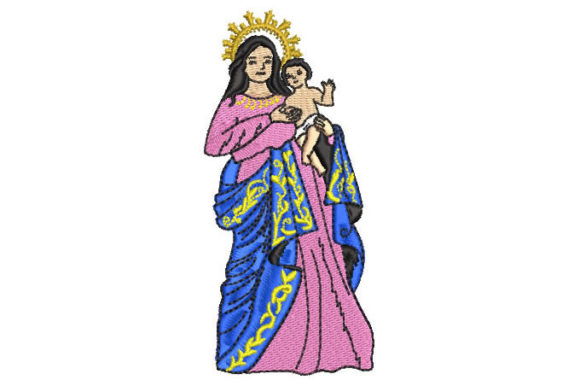
The Virgin Mary Baby in Arms design, by its very title, evokes a specific and powerful mood. It leans towards a serene, devotional, and deeply feminine aesthetic. The initial thought for a boutique application is how this mood translates onto fabric. The layout, presumably centered on the maternal figure, suggests a balanced, focal-point composition. For a sweatshirt, this means the design naturally commands attention without feeling chaotic.
The detail level is the crucial question. A design with fine line work and delicate features can feel premium and intricate, but it must also have the stitch density and structural integrity to survive the texture of a sweatshirt and repeated washing. If the details are too minute, they might lose readability on thicker fabrics. The stitching personality should feel confident—whether it’s a smooth satin fill for the robes or precise detailing in the features, it needs to look intentional and clean when finished. This isn’t a casual, playful graphic; it’s a decorative, meaningful emblem that carries visual weight.
Placement and Application on Seasonal Apparel
Let’s envision the finished product. For a neutral sweatshirt—a cream, oat, or soft grey—the Virgin Mary Baby in Arms would offer beautiful contrast, allowing the thread colors to shine with a warmth that feels both rustic and elegant. On dark fabric like a charcoal or black hoodie, the design would pop dramatically, adopting a more bold and definitive presence, perfect for a statement piece.
Considering pastel colors—a blush pink or sage green sweatshirt—the design would lean into a softer, more cute and feminine interpretation, suitable for a lifestyle brand focusing on gentle aesthetics. The classic chest placement on an oversized hoodie is a natural fit, creating a focal point that feels both personal and decorative. As a sleeve accent or a smaller back design, it could serve as a subtle brand signature, but its thematic nature suggests it deserves a central role.
For a cozy seasonal apparel collection, this design connects to themes of care, comfort, and reflection, making it a thoughtful addition for autumn or winter drops. It feels inherently not minimal; it is a decorative element that asks for space and respect on the garment.
Practical Production Considerations
Moving from vision to machine, several practical concerns arise. Thread color contrast is paramount. The design’s success on different fabric colors hinges on a well-chosen palette—perhaps ivory and soft golds on dark fabrics, or deeper, richer tones on light ones. The provided description mentions multiple embroidery file formats, which is essential for compatibility across different machines, a must for any digital embroidery file used in commercial embroidery.
Stitch density must be appropriate for the fabric thickness of a premium sweatshirt. Too dense, and it becomes stiff and may pucker; too light, and it risks looking frail. The choice of stabilizer will be key to achieving a clean, flat finish that maintains the design’s integrity. Hoop size and placement logistics need to be planned to ensure the design sits perfectly on the garment panel.
A critical question for small shop production: is the design strong enough for commercial apparel use? This means evaluating its washing durability—are the outlines and fills robust? And importantly, does it retain readability at a smaller size if the boutique wants a more discreet version? The description calls it "high-quality," but as a designer, I would always test a sample run on scrap fabric first to verify these technical aspects before committing to a full collection.
Brand Identity and Customer Perception
Using the Virgin Mary Baby in Arms design isn’t just a production decision; it’s a brand decision. For a boutique brand in the Religion category or one with a faith-inspired aesthetic, this design solidifies identity and fosters visual recognition. It speaks directly to a specific community, building immense buyer trust through shared values.
In product presentation—the Etsy listing, the printable mockup, the lifestyle product photography—this embroidery elevates the item. It shifts it from a generic sweatshirt to a handmade product with a story. The craftsmanship visible in the embroidery stitches enhances perceived value, allowing for a premium positioning. It encourages customer engagement; people connect with the symbolism, making the apparel more than just clothing.
For the Etsy seller or small shop owner, it represents a ready-made design asset that can be the cornerstone of a limited drop. It eliminates the need for custom illustration while offering a professionally digitized file for consistent, high-quality output across multiple units.
A Final Note Before Hooping
The potential of the Virgin Mary Baby in Arms design for custom apparel and boutique merchandise is clear. It carries a mood that resonates, a composition suited for central placement, and a thematic depth that adds significant product value. As a hoodie design or sweatshirt embroidery, it promises a finished product that feels deliberate, premium, and meaningful.
However, the product description provides a starting point, not the complete technical blueprint. Before production, I must remind myself and fellow crafters to check the specific details not listed here: the exact stitch count for timing estimates, the included embroidery file formats for machine compatibility, the recommended hoop size for layout, and any license terms for commercial use. These are the final, practical steps that ensure this beautiful design translates into a flawless, durable, and successful piece for your brand’s collection.