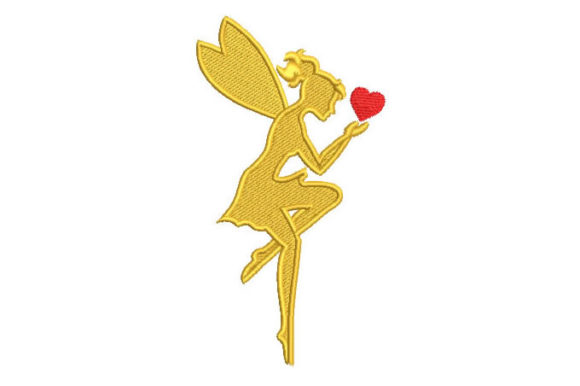
Evaluating the Fairy with Heart Embroidery Design
When a new embroidery file lands in my collection, my first question isn’t just whether it’s pretty, but whether it’s practical. How will it stitch out? What kind of product will it elevate? The Fairy with Heart design immediately presents itself as a charming, gentle character. It’s not a bold, graphic icon but a softer, storybook accent. That’s a specific mood, and it dictates its entire potential application.
A First Impression of Whimsy and Softness
The design’s layout feels balanced and forgiving, with a friendly fairy holding a prominent heart. The detail level suggests a mix of fill stitch for the fairy’s form and likely satin stitch or running stitch for finer outlines and the heart’s definition. This isn’t an overly dense, time-consuming piece; it’s an accent. Its visual personality is sweet and unearthly, as the description says, making it a natural fit for projects meant to evoke warmth, innocence, or a touch of magic. It belongs to bedtime stories, gentle gifts, and cozy spaces.
Where This Fairy Flies in Real Projects
Let’s walk through a real scenario. I’m preparing a custom baby blanket for a client’s nursery gift. The theme is woodland whimsy. Fairy with Heart isn’t the central logo; it’s the perfect decorative element nestled beside a name or in a corner. On a tote bag for a boutique, it becomes a subtle brand marker for a shop selling handmade children’s items. Stitched onto a pair of pajama pants or a simple sweatshirt, it transforms basic apparel into something special without being overwhelming.
For craft business applications, think about holiday gifts like personalized pillow covers or tea towels. For Etsy sellers and small shop owners, this design can be a consistent element across a line—imagine it on aprons, kitchen towels, and simple patches, creating a recognizable family of products. It has high giftability. In commercial embroidery for small businesses, like a children’s boutique branding their staff uniforms, it adds character without sacrificing professionalism.
Performance on Fabric: The Practical Test
On a mid-weight cotton tote bag or a fleece blanket, Fairy with Heart will stitch out clearly. The heart, as a likely focal point, needs good thread color contrast against the background fabric to pop. On baby clothes or delicate pajamas made from lighter fabrics, you must consider stitch density and use proper stabilizer to prevent puckering, especially if the design has any solid fill areas. A successful stitch-out here relies on preparation.
Considerations for Tricky Applications
This is where experience whispers caution. While the design seems adaptable, its charm could falter on certain surfaces. On highly textured fabrics like some sweaters, the finer details might get lost. On very thin or stretchy fabric, any density issues will be exaggerated. Embroidering it on a curved surface like a cap requires careful hooping and possibly adjusting orientation so the fairy sits correctly.
Dark fabric presents the classic challenge: will the design’s intended lightness translate? You may need to rethink thread colors—perhaps using a pastel on dark navy instead of white to maintain the soft mood. For products destined for frequent washing, like children’s clothing or bedsheets, ensure the stitch structure is secure and the thread quality is high to maintain that wonderful character over time.
How This Design Impacts Your Product's Appeal
When Fairy with Heart stitches out cleanly, it elevates a simple item. On a handmade product, it signals care and a thematic thoughtfulness. For customer trust and engagement, a well-executed, cute embroidery like this on a baby item or holiday gift often receives positive reactions—it feels personal. It can enhance brand consistency for a crafter or digital product seller whose niche is in fairy tales, fantasy, or children’s decor.
However, its value depends entirely on context. Stitching it onto a formal business polo would be misplaced. But on a child’s apron, a nursery decor pillow, or as part of a wedding gift for a whimsical couple, it adds memorable, handmade presentation. It’s a design that, when used correctly, boosts recognition and buyer engagement because it tells a small, visual story.
Essential Notes Before You Hoop
Always test the Fairy with Heart design on scrap fabric first. Use the same material and stabilizer you plan for the final project. This test reveals everything: the actual stitch density, whether small details like the fairy’s features are clear, and how the thread colors you’ve chosen interact. Check the required hoop size by previewing the file in your software; ensure it fits your project dimensions.
I also recommend testing the design in a black-and-white mockup or comparing how it looks on both light and dark fabric backgrounds digitally. This helps visualize contrast before committing thread. Crucially, confirm the licensing terms for this embroidery file. Is it for personal use only, or does it include commercial use? Never assume. Before selling finished items like tote bags or baby clothes in your craft business or listing digital product previews, you must know the rules.
The Final Judgment: A Versatile Charmer with Clear Boundaries
The Fairy with Heart machine embroidery design is a versatile charmer within its lane. It’s an excellent asset for embroiderers, apparel decorators, and creative entrepreneurs focusing on children’s markets, gentle gifts, and whimsical home decor. Its real-world performance is good on stable, appropriate fabrics when paired with proper technique.
It won’t suit every project—avoid dense, technical applications or contexts where a bold graphic is needed. But for adding that “wonderful character” to a sweatshirt, a patch, or a boutique product, it delivers. As with any digital embroidery file, its success lies in your hands: your choice of fabric, your thread, your stabilizer, and your understanding of where this pretty fairy with heart truly belongs.