Hipster Giraffe: A Designer's Honest Review
First Glance and Immediate Personality
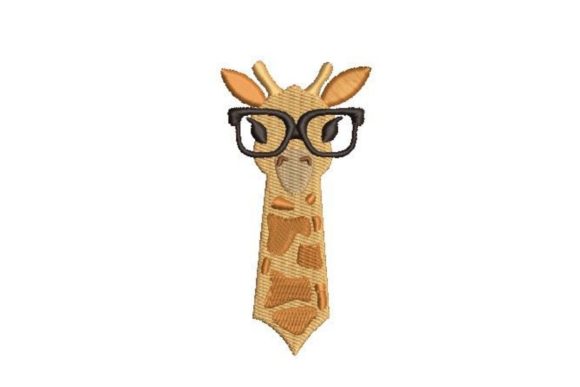
When I loaded Hipster Giraffe onto my design screen, the first thing that struck me was the attitude. This is not your average safari animal silhouette. The stylization leans playful and slightly quirky, with a confident posture that reads more boutique window display than standard nursery clipart. The glasses motif, often a hit-or-miss element in Wild Animals themed machine embroidery design collections, actually lands well here. It gives the giraffe a recognizable character without overwhelming the natural grace of the animal's long neck and gentle face.
For anyone building a cohesive product line under the Embroidery category, Hipster Giraffe immediately suggests a series. It practically begs to be paired with companion pieces. If you are stocking an Etsy shop with coordinated digital embroidery file sets or preparing a craft fair booth with unified branding, this design can anchor a whimsical yet polished collection.
Where This Design Feels Most at Home
I mentally audition designs before ever threading a needle, and Hipster Giraffe quickly sorted itself into a few natural project buckets. The aesthetic is modern enough for adult accessories yet friendly enough for children's items. That crossover appeal is valuable when you are trying to maximize the reach of a single embroidery file across different customer segments.
My mind went first to a mid-weight canvas tote bag. Picture a natural cotton background, the giraffe stitched in warm mustard and rich brown tones, maybe a subtle pop of teal in the glasses. That kind of tote bag design works for book lovers, teachers, or anyone who appreciates a quiet statement piece. From there, I envisioned it on a soft crewneck sweatshirt, scaled slightly smaller on the chest, offering that effortless cool factor people pay extra for at boutiques. Nursery decor also makes sense—imagine a single-color version on a linen pillow cover—but the edge this design carries elevates it beyond typical baby fare.
Real Project Walkthrough: The Kitchen Towel Test
Let me ground this in a real scenario. A friend runs a small handmade kitchen goods line and asked me about freshening her tea towel offerings for an upcoming market. She wanted something unexpected, not another floral or fruit motif. I pulled up Hipster Giraffe and we talked through the possibilities.
We chose a flour-sack cotton towel in oatmeal, which provides a stable, non-stretchy fabric texture ideal for clean stitch definition. The plan was to position the giraffe in the lower corner, angled slightly, using a limited thread palette to keep production simple. I advised her to test the stitch density on a scrap first, because even a well-digitized embroidery project can pull or pucker on loosely woven fabric if the underlay isn't right. After adjusting the stabilizer—we used a medium-weight cutaway—the result was crisp. The glasses detail remained readable, the spots had clean satin stitch edges, and nothing felt heavy or stiff against the skin.
That kitchen towel sold out in two days. Customers kept picking it up, smiling, and asking if there was a matching apron. When a design sparks add-on questions like that, you know it has selling power. That is what I look for in a digital embroidery file—not just technical competence, but genuine customer reaction.
Fabric Compatibility and Potential Pitfalls
Not every design plays nicely across all surfaces, and an honest evaluation means acknowledging where things can go sideways. Hipster Giraffe has some fine detail work around the facial features and the glasses that deserves careful handling.
Here is what I have learned through testing similar styles:
- Stretchy fabrics like ribbed knit or performance jersey need extra attention. Hoop carefully, use a reliable fusible stabilizer, and avoid pulling the fabric taut during hooping. Distortion will ruin the glasses detail faster than anything else.
- Dark fabrics can swallow the definition if your thread color contrast is not dialed in. The giraffe's spots and the glasses outline need to pop clearly. Test on a navy or charcoal swatch before committing to a full run.
- Small hoop sizes might force scaling that makes intricate elements unreadable. If the design includes tiny lettering or fine stroke work within the glasses frame, check the minimum recommended size before purchasing.
- Textured surfaces like terry cloth or waffle weave can break up satin stitch edges. Stick to smooth, tightly woven bases whenever possible for maximum stitching clarity.
- Layered garments with seams or zippers near the embroidery area require careful placement. Hooping over a seam is never ideal, so plan your positioning around construction details.
Thread Choices and Visual Mood
One underrated advantage of Hipster Giraffe is how flexibly it responds to thread color experimentation. The giraffe silhouette remains legible even when you step away from realistic animal tones. I have seen a monochromatic navy-on-gray version look incredibly sophisticated on a zip pouch, and a pastel interpretation read perfectly sweet on baby clothes. The glasses give you a natural highlight point to play with metallic or contrast threads without making the whole piece feel chaotic.
For handmade product sellers, this flexibility means you can stretch one design asset across multiple collection themes. Autumn markets, spring launches, baby shower prep—tweak the palette and suddenly the same embroidery file serves a completely different buyer mood. That kind of versatility directly impacts your bottom line.
Commercial Considerations for Small Shops
If you run a craft business or sell finished items on platforms like Etsy, you are always calculating the equation of visual appeal versus production efficiency. Hipster Giraffe leans into a sweet spot where the perceived value is high but the stitch time remains manageable. The design communicates thoughtful curation, which helps justify premium pricing on custom apparel or personalized gift products.
I would confidently place this on products intended for boutique shelves. It feels intentional rather than mass-produced. When a customer receives an embroidered patch or a sweatshirt featuring this giraffe, the reaction tends to be delight rather than indifference. That emotional response translates directly into repeat purchases and word-of-mouth referrals. For Etsy seller success, designs that spark that reaction are worth their weight in thread.
Before incorporating Hipster Giraffe into your commercial lineup, do your due diligence. Confirm the licensing terms with the design provider. Not all files are cleared for resale on finished products, and respecting those boundaries protects your shop's integrity. The product description mentions the design comes with multiple embroidery formats, which is promising, but verify the specifics—hoop size requirements, format compatibility with your machine, and any restrictions on commercial use—before loading it into your production queue.
Stitch Out Tips From the Workroom
Experience has taught me that even beautiful designs benefit from methodical preparation. Here are the steps I follow when working with character-focused machine embroidery design pieces like this one:
- Run a test stitch on the exact fabric blend you plan to sell. Woven cotton and cotton-poly blends behave very differently under dense stitching.
- Check the fill stitch direction on larger areas. Consistent grain across the main body prevents odd light reflection that cheapens the final look.
- Inspect the stitch density around narrow sections like the neck. Too dense and you risk thread breaks or fabric perforation. Too sparse and the coverage looks amateur.
- Test the design in black and white. If the composition still reads clearly without color, you have a structurally sound design. Hipster Giraffe passes this test well.
- Compare the stitched sample on both light and dark backgrounds. The difference can be subtle but significant, especially around the eye and glasses area.
- Use a topper on fluffy or napped fabrics. Even a light water-soluble topping can sharpen details that would otherwise blur.
The Bigger Picture: Building a Recognizable Brand
Investing in a design like Hipster Giraffe is about more than one project. For a small shop product lineup, consistency and personality matter enormously. This design brings a distinct voice—clever, gentle, a little unexpected. When customers start recognizing your style across different items, whether on a tote, a baby embroidery onesie, or a holiday embroidery ornament, you have built something sustainable.
I have seen too many creative entrepreneurs dilute their brand by chasing every trend. The Wild Animals category is broad, but specific designs with genuine character stand out. Hipster Giraffe does not feel generic. It feels chosen. That distinction matters when someone scrolls past dozens of listings and stops on yours.
Final Practical Takeaway
From thorough testing and honest observation, Hipster Giraffe earns its place in a working designer's library. It stitches cleanly on appropriate fabrics, provides enough detail to feel special without becoming fragile, and carries an aesthetic that spans both gift and self-purchase markets. Whether you are crafting a single personalized gift or building inventory for a seasonal market, this embroidery project delivers reliable results.
Respect the material you are stitching on. Choose thread colors with intention. Test before you sell. And when a customer laughs or lights up because a bespectacled giraffe is peering charmingly from their new favorite towel or sweatshirt, you will know the design was worth every careful stitch.