Mini Girl Embroidery Design Review: A Designer's Perspective
When selecting embroidery files for real projects, it’s not just about a pretty picture. It’s about how that design will stitch out, hold up on different fabrics, and ultimately enhance a handmade product. Having considered Mini Girl from Creative Fabrica for several potential customer orders, here’s my honest evaluation as an embroidery designer.
First Impression: Artistic Character & Project Fit
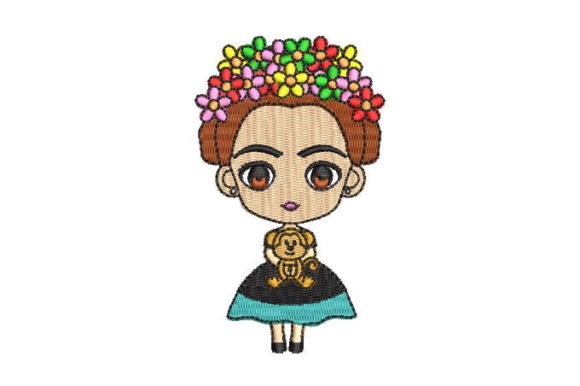
The description says Mini Girl will add an interesting and artistic character to any fabric, and I agree with that initial assessment. The design has a decorative, almost illustrative feel that sets a distinct mood. It’s not overly juvenile but carries a charm that would resonate across ages. This stitching personality makes it a natural fit for projects where visual appeal is paramount: tote bags, pillow covers, apron pockets, or nursery decor like baby blankets. It feels like a design destined for a handmade gift or boutique merchandise.
Where Mini Girl Naturally Belongs
As I envisioned it for real use, some applications stood out immediately.
- Home Decor Accents: Pillow covers or kitchen towels where the artistic detail becomes a focal point.
- Personalized Gifts: Embellishing a baby blanket or a special sweatshirt for a heartfelt present.
- Boutique Apparel: Adding unique character to the pocket of a denim jacket or the front of a simple tee.
- Craft Fair Staples: A popular item like a tote bag with this design could attract attention at a market.
Performance in Real Embroidery Work
The promise of stitching onto various items is a big claim. For commercial embroidery or Etsy sellers, performance is key. Here are considerations for using Mini Girl on real products.
Navigating Fabric & Detail Challenges
The design’s detail level suggests careful planning. On stretchy fabrics like sweatshirts, robust stabilizer will be essential to preserve the integrity of any satin stitch or fill stitch areas. For dark fabric, thread color contrast becomes crucial—a lighter palette might be needed to make the design pop. If applying to a curved surface like a cap, the design’s central motif would need to be suitably sized to avoid distortion. Always test on scrap fabric first, mimicking the final product’s texture.
Small Details & Practical Execution
Artistic designs often have tiny details. It’s vital to review stitch density and inspect small areas after stitching, especially if there are delicate lines or running stitch elements. Dense stitch areas can be challenging on lighter fabrics like kitchen towels, requiring the correct stabilizer to prevent puckering. Before any project, I advise confirming the exact hoop size requirements and machine compatibility on the Creative Fabrica product page, as these details are foundational.
Affecting Product Value & Customer Trust
Using a quality embroidery file like this can directly impact your product’s perceived value.
- Handmade Presentation: A clean, detailed stitch-out elevates a simple item into a premium handmade product.
- Giftability: The artistic character makes the finished item feel special and thoughtfully chosen.
- Product Photography: For Etsy listings or printable mockups, a well-executed design becomes a compelling visual asset.
- Brand Consistency: If your shop has a certain aesthetic, consistently excellent embroidery builds customer trust.
A poorly stitched design can undermine all this, so the reliability of the digital embroidery file is paramount.
Essential Practical Notes Before You Stitch
Before committing Mini Girl to a customer’s order, a professional workflow is non-negotiable.
- Check the Creative Fabrica Product Page: Confirm all file formats, included sizes, and the licensing terms for commercial use. This is your responsibility before selling finished items.
- Compare Light & Dark Fabric Mockups: Visualize how the design will look on different backgrounds; you may need to adjust thread colors.
- Use Proper Stabilizer: Match the stabilizer to both the fabric type and the design’s stitch density to ensure a flat, clean result.
- Inspect Small Details After a Test Stitch: Look for any potential issues with tiny lettering or layered details that might need tweaking for your specific machine.
- Consider the End Use: For products needing frequent washing, like apparel or kitchen towels, a secure stitch execution is key for durability.
Final Thoughts on Mini Girl for Your Business
From the point of view of an embroidery designer, Mini Girl presents itself as a versatile Creative Fabrica embroidery design with strong decorative appeal. Its artistic character could genuinely enhance a range of products, from custom apparel to home decor. However, its successful integration into your commercial embroidery projects hinges entirely on diligent preparation: testing, verifying technical details, and selecting the right project fit. If the product details align with your needs—appropriate hoop sizes and manageable stitch density for your target fabrics—it could be a worthwhile addition to your library, helping you create engaging, valuable handmade products. Its potential is in your execution.