Pumpkin Embroidery Design for Halloween Projects
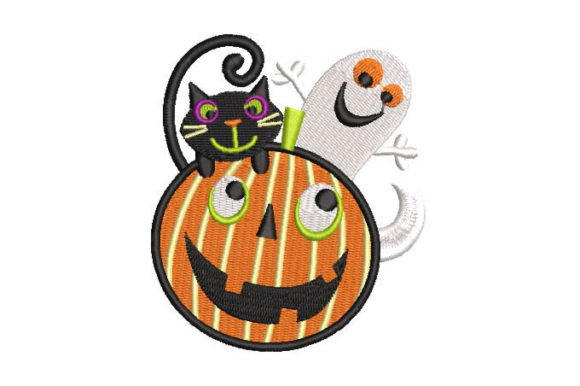
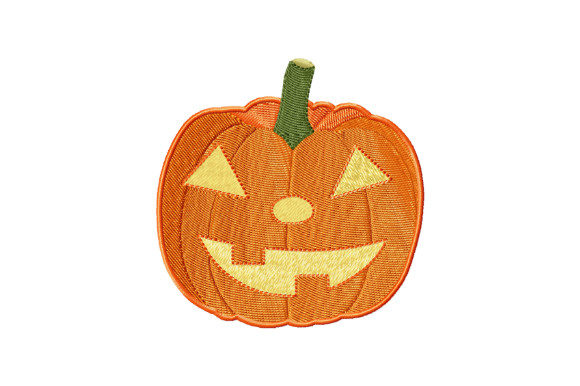
When a Halloween embroidery file lands on my desk for review, the first thing I look for isn't just its technical specs, but its storytelling potential. Pumpkin for Halloween has a distinct personality right from the preview screen. It's not just a generic jack-o'-lantern; it carries that classic, spooky-but-beautiful aesthetic the description mentions. This balance is crucial for crafters. Too scary might alienate a family-focused market, too cute might lack the Halloween punch. This design sits right in that sweet spot, making it incredibly versatile for real-world projects.
The Mood and Shape: Where This Pumpkin Belongs
Let’s talk first impression. The layout feels intentional, with a shape that promises clean outlines when stitched. I immediately envision it as a statement piece on a heather gray sweatshirt or the front of a canvas tote bag. It has the visual weight to stand alone, no need for extra text or borders, which is a boon for small business owners creating quick, impactful merchandise. For an Etsy seller preparing for a craft fair, this kind of design is a workhorse. It can be the centerpiece on aprons for a Halloween bakery pop-up, or a charming, slightly eerie accent on a baby’s knit blanket, making it a unique personalized gift.
The detail level seems thoughtfully composed. I'm looking at how the features might translate into satin stitch and fill stitch areas. A design with overly dense sections can be problematic on stretchy fabrics like t-shirts, while one too sparse can look underwhelming on a pillow cover. Pumpkin for Halloween, from its visual texture, appears to have a mix that should provide satisfying stitch coverage without becoming a stabilizer-heavy challenge on a cap’s curved surface.
Real-Life Scenario: Crafting a Boutique Halloween Tote
Imagine you’re preparing a batch of embroidered tote bags for your small shop. You want a product that feels handmade and special, not mass-produced. This pumpkin design is perfect. Stitched in a rich orange and black on a natural linen bag, it instantly creates a high-value, seasonal product. The clear, beautifully designed motif enhances customer trust—it shows professional execution. For apparel decorators, the same principle applies. Applying it to the back of a crewneck sweatshirt creates a cozy, festive garment with strong giftability. It’s recognizable, professional, and taps directly into the holiday spirit without being kitschy.
Performance Across Different Embroidery Terrains
In practical embroidery situations, a design’s true character emerges. Pumpkin for Halloween strikes me as adaptable. On sturdy home decor items like pillow covers or kitchen towels, it should shine, with the fill stitches creating a substantial, durable finish. For custom apparel, like a child’s t-shirt or adult hoodie, paying attention to stabilizer choice will be key, especially if the design includes any dense, concentrated areas. The description suggests it’s great for accessories and costumes, which often involve varied fabrics. Testing on scrap fabric first is non-negotiable here. Try it on a textured fabric like a knit, and on a smooth, thin cotton to see how the stitch density behaves.
Dark fabric backgrounds are a classic for Halloween projects. This design, with its presumably contrasting elements, should pop beautifully, but always check your thread color contrast in a digital preview or a simple black-and-white mockup. Sometimes, a subtle detail can get lost. For products requiring frequent washing, like baby clothes or aprons, the integrity of the stitching is paramount. A well-digitized design with good stitch construction holds up, and this one, from its composed look, seems promising.
Where a Careful Approach is Wise
Every embroidery design has its ideal applications and its more challenging ones. For Pumpkin for Halloween, I’d be mindful of very small hoop sizes. If the design is intricate, shrinking it down for a tiny patch or a hat’s curved front might compromise clarity in the smaller corners and details. Similarly, on highly textured or layered garments, the stabilizer strategy becomes your top priority to maintain stitching clarity. The goal is to preserve that amazing pumpkin’s visual personality on every surface.
For commercial embroidery projects or digital product sellers creating printable mockups for clients, this design is a solid asset. Its strong theme makes it easy to market. For craft businesses, it can anchor a whole Halloween collection—think embroidered patches, tea towels, and nursery decor all featuring this cohesive motif, boosting brand consistency across your handmade presentation.
Practical Notes for the Embroidery Designer
Before loading this embroidery file into your machine for a real project, make your checklist. Confirm the exact hoop size needed. Review the stitch count and density if the information is provided; this helps plan for thread usage and time. Inspect the small details in the preview—are there any tiny elements that might require a finer needle or slower stitching speed?
Always, always test on a scrap of your actual project fabric. This tells you everything: if the stabilizer is adequate, if the thread colors work on your specific background, and how the finished product will truly feel. Compare how it looks on light and dark backgrounds—sometimes you might need to adjust a color for optimal impact.
Finally, a crucial step for Etsy sellers, handmade shop owners, and anyone selling finished items: confirm the licensing terms of this machine embroidery design. The product description doesn’t specify, so you must verify whether it’s cleared for personal use, commercial use, or both. This protects your business and ensures your customer trust is well-founded. Using a design correctly is part of your professionalism.
In essence, Pumpkin for Halloween presents itself as a versatile, mood-setting embroidery design. It has the visual strength to elevate simple items into special holiday products, from personalized gifts to small shop merchandise. With thoughtful application and standard good practices—proper stabilizer, tested stitch settings, and clear licensing—it can become a reliable, beautiful asset in your Halloween embroidery project lineup, promising great results on everything from spooky home decor to a charmingly eerie baby blanket.