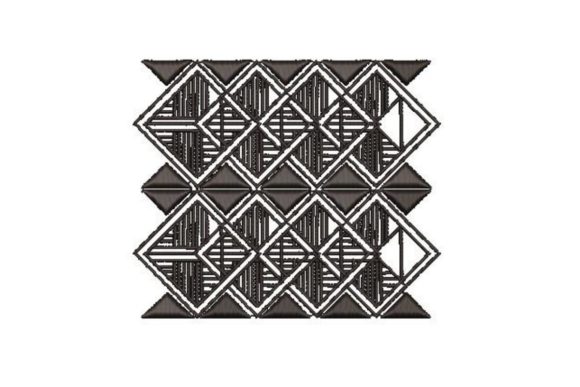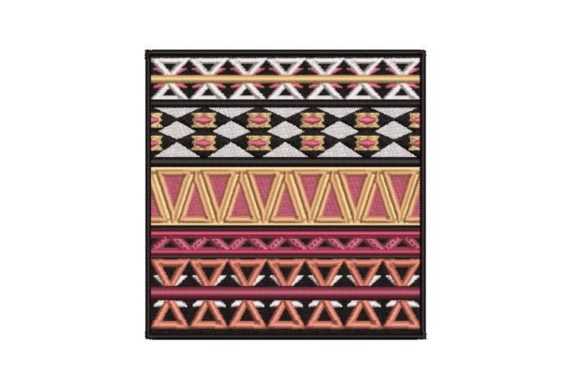
Aztec Pattern: A Bold & Timeless Design for Craft Fair Success
As I’m planning my product lineup for the weekend craft fair, I’m reviewing design files with a practical eye. What will stand out on a crowded table? What feels premium but producible in batches? My latest evaluation is for the Aztec Pattern embroidery file. Based on the title alone, I expect something geometric, bold, and inherently decorative. Let’s see where it fits.
First Impression: Bold, Graphic & Universally Appealing
The name Aztec Pattern immediately conjures a sense of structured, intricate beauty. This isn’t a cute or soft design; it’s graphic and confident. For a handmade market, this gives it a modern yet timeless vibe. It feels decorative and premium, which can elevate simple products. Customers scanning a booth will notice its strong lines and repeating motifs from a distance, especially if executed with good thread contrast.
Product Performance: Where This Design Will Shine
This is not a tiny, delicate accent. It’s a statement. Therefore, its success depends on pairing it with the right craft fair product.
Tote Bags & Market Bags
A large, central Aztec Pattern on a canvas tote bag is an instant winner. The scale allows the intricacy to be fully appreciated, making the bag look professionally designed and valuable. It photographs exceptionally well for Etsy listings or printable mockups, as the graphic nature pops even in small images.
Pillow Covers & Tea Towels
For home goods, this pattern adds a modern decorative touch. On a linen pillow cover, it becomes a focal point. On a tea towel, consider using it as a border or a centered panel. The potential issue here is fabric texture; on a textured towel, ensure your stabilizer choice is robust to maintain clarity.
Aprons & Caps
For apron embroidery, a placement on the bib or pocket can look fantastic. On caps, however, be cautious. The curved surface of a cap can distort flat geometric patterns, and small details might get lost. If the design has very dense stitch areas, it could also be uncomfortably stiff on a curved cap front.
Patches & Small Pouches
As an embroidered patch, this pattern could be stunning, but scale is critical. If reduced too small, intricate cuts and lines might blur into a solid block. Test it at the intended patch size first. On a small fabric pouch, it can serve as a beautiful main feature, boosting the item's perceived value as a handmade gift.
Practical Production & Selling Points
Turning a digital embroidery file into a sellable handmade product requires a business-minded approach.
Batch Production & Visual Consistency
Geometric patterns like this are often excellent for batch production. They are inherently repeatable and consistent, which strengthens your brand consistency across multiple items. This is a huge advantage when preparing for a fair where you need twenty uniform tote bags. The design’s clarity at a glance means customers understand it immediately, aiding quick sales.
Photography & Booth Display
Graphic designs photograph well. Use natural light to highlight the texture of the stitches against the fabric. In your booth display, group all products featuring the Aztec Pattern together. This creates a strong visual theme that draws buyers in and showcases your range, from large totes to small patches.
Customer Engagement & Perceived Value
This pattern doesn’t look homemade; it looks professionally crafted. That perception increases product value. Customers interested in modern, bohemian, or geometric styles will be immediately engaged. It’s a design that sparks conversation about craftsmanship, which is perfect for face-to-face selling.
Careful-Use Notes for the Embroidery Designer
Before hooping any product, a professional runs through a checklist. Here are my specific notes for a pattern like this.
- Test on Scrap Fabric First: Always stitch out the Aztec Pattern on a scrap of your intended product fabric. This reveals how stitch density behaves and if any tiny details vanish.
- Thread Contrast is Key: On dark fabric, use bright, contrasting threads. On light fabric, deep colors will make the pattern bold. Poor contrast will render this intricate design invisible.
- Inspect Stitch Density: Intricate patterns can have high stitch density in small areas. On thin fabrics like tea towels, this might cause puckering. On thick fabrics like canvas, it may be fine. Your stabilizer choice must match this density.
- Confirm Hoop Size: The description mentions it comes with multiple embroidery files. This likely means different sizes. Choose the file size that matches your product’s available hooping area and intended visual impact—larger for focal pieces, smaller for accents.
- Create a Real Mockup: Don’t rely on digital previews. Make at least one finished product, like a tote bag, to see how it feels, how it wears, and how it looks in person. This is your best quality control.
- Compare Fabric Colors: The pattern’s mood changes with fabric choice. Try it on natural linen for a rustic-modern look, on black cotton for a sharp graphic look, and on colored fabrics for a festive feel.
- Review Commercial Licensing: The product description does not specify license terms. Before selling any finished product, you must confirm that your use of this machine embroidery design for commercial embroidery is permitted by the designer or distributor.
Final Judgment for the Craft Fair Table
The Aztec Pattern is a strong contender for my booth. Its bold, graphic nature ensures high visual impact, which is half the battle at a busy fair. It translates beautifully onto key sellers like tote bags and pillow covers, adding a professional touch that customers value. For production, its repeatable geometry makes batch creation efficient. The caution areas are typical for intricate designs: watch density on thin fabrics, ensure perfect thread contrast, and never skip the test stitch. Provided the commercial license is clear, this design can become a cornerstone of a cohesive, attractive, and profitable handmade product line, turning a digital file into tangible craft fair success.