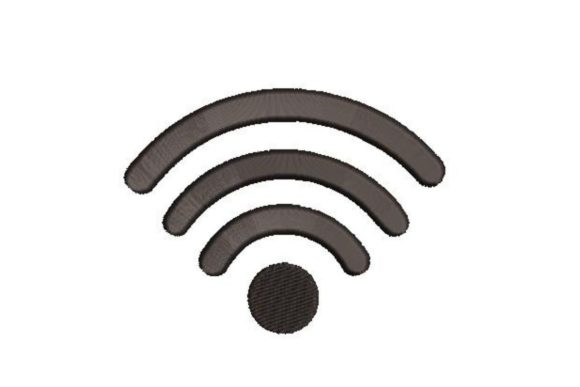
Reviewing the WIFI Design for Your Craft Fair Booth
As an experienced embroidery designer who has spent countless weekends setting up tables at local craft fairs, I know that the difference between a design that sits on the shelf and one that sells out in an hour often comes down to recognition. When I first looked at the WIFI machine embroidery design, my mind immediately went to the practical side of selling handmade goods. In today's connected world, this classic logo is instantly recognizable. It is not just a symbol; it is a conversation starter. For any Etsy seller or boutique maker looking to add a modern touch to their inventory, this embroidery file offers a unique opportunity to blend utility with style.
The First Impression: Modern Minimalism Meets Handmade Charm
The moment you see the WIFI design, you get a sense of clean lines and geometric simplicity. Unlike some overly ornate floral patterns that can feel dated or too traditional, this design feels distinctly modern and minimal. It strikes a balance that works perfectly for the farmhouse aesthetic without losing its contemporary edge. The description mentions using this logo to mark areas where wireless internet is available, which suggests a playful, functional vibe. This makes it ideal for products that need to feel approachable yet professional.
When I imagine this design turned into a finished product, it does not feel like a cheap clip-art sticker. Instead, it feels like a deliberate choice by a creative entrepreneur. Whether stitched in crisp white thread on denim or a vibrant teal on a neutral canvas, the stitch density appears balanced enough to hold its shape without becoming stiff. This visual appeal is crucial because, at a craft fair, your booth display strength relies heavily on how items look from a distance. A clear, well-executed WIFI logo catches the eye and signals quality before a customer even touches the fabric.
Where This Design Shines: Product Applications
Let's talk about real-world application. If I were prepping a table display for a weekend market, where would I put the WIFI design? The versatility of this digital embroidery file is its strongest asset. It is not limited to just one type of item, which is essential for maximizing your production time.
- Tote Bag Design: A tote bag is a staple for any Etsy seller. Placing a small WIFI logo on the corner of a canvas tote creates a subtle nod to connectivity. It adds a layer of personality to a basic item, making it more attractive than a plain bag.
- Apron Embroidery: For the home chef or barista, an apron featuring this design is both funny and practical. It tells a story about the kitchen being the new "hub" of the house. The design works well as a focal point on the chest area.
- Tea Towel Embroidery: Kitchen towels are high-volume sellers. A WIFI motif here is perfect for a gift set. It fits the House category naturally, appealing to those who love tech-savvy decor.
- Embroidered Patch: You could also use this design to create iron-on patches for jackets or beanies. The clean lines of the signal waves translate beautifully to smaller formats.
- Caps and Pouches: For caps, the curved surface requires careful planning, but the compact nature of the logo ensures it won't distort easily. Small pouches for cables or earbuds are another great option, playing on the theme of "connecting."
In terms of a craft fair product, these items represent a mix of everyday utility and giftable handmade goods. Customers love items that have a bit of wit, and a WIFI embroidered tea towel often gets picked up because people smile at the concept.
Production Realities and Selling Points
From a production standpoint, the WIFI design is a dream for batch production. Because the lines are relatively simple, it stitches quickly compared to intricate portraits or complex landscapes. This speed allows you to produce more units for your small shop product line without burning out your machine or yourself. However, speed should never come at the cost of quality.
One of the most important factors for a commercial embroidery business is how the item photographs. The WIFI logo is highly photogenic. Its geometric nature reads clearly in photos, which is vital for your online listings and printable mockup images. On social media, a sharp image of the stitching on a textured fabric will stop the scroll better than a blurry photo of a busy pattern. The design's clarity ensures that the value of the handmade product is communicated effectively to the buyer.
Furthermore, the design is repeatable. You can place it in various locations on a product—centered, offset, or repeated in a border pattern. This flexibility helps maintain brand consistency across your shop while keeping the inventory fresh. Whether you are selling a single custom order or a bulk lot of market bags, the design adapts well to different scales.
Crucial Notes for the Embroidery Designer
While the potential is high, there are practical considerations you must address before turning this embroidery design into a revenue stream. As a professional, I always advise testing the design on scrap fabric first. You need to verify the thread colors and ensure they pop against your chosen background. High contrast is key for this specific logo; if you stitch a light blue design on a grey shirt, the signal bars might disappear.
You must also pay close attention to the hoop size and the stabilizer you use. While the design is likely compact, running it on a thick fabric like heavy denim or a textured towel requires a firm backing to prevent puckering. If the stitch density is too high, the fabric may become rigid, which is undesirable for soft goods like pillow covers or aprons. Conversely, if it is too loose, the fine details of the waves might look messy.
Be mindful of the physical limitations of the medium. Tiny details can sometimes get lost when stitching on a curved cap surface or dark fabric. If the design includes small text or very thin lines, test them rigorously. Also, remember to check the commercial licensing terms included with the file. Before selling finished products, confirm that you have the right to use the design for resale. Ignoring this step can lead to legal issues later.
Finally, create at least one real mockup. Do not rely solely on digital renderings. Hold the finished piece in your hand. Does it feel premium? Is the back of the work clean? These questions determine whether your item is a handmade product worth the price tag or just another generic item.
Final Thoughts on Market Value
The WIFI design is more than just a symbol; it is a tool for engagement. It invites customers to ask questions, laugh, and connect with your brand. For the creative entrepreneur, it represents a smart addition to a diverse catalog of design assets. By focusing on proper execution, color selection, and strategic placement, you can transform a simple vector into a best-selling item at your next craft fair.
Remember, the success of your booth depends on the quality of your work. Take the time to review the embroidery file, select the right materials, and ensure every stitch counts. When done correctly, a WIFI embroidered item stands out as a thoughtful, modern, and high-quality choice that buyers will want to take home.