Dominican Carnival Figures: Craft Fair Embroidery Review
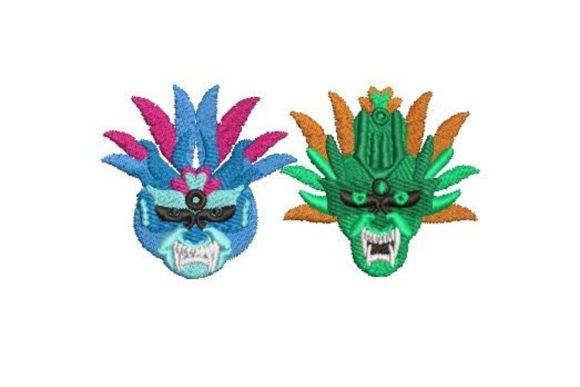
As I sit down to plan inventory for my next weekend market, my first step is always the same: sort through new machine embroidery design files and imagine how each one will look stitched out, photographed, and eventually held in a customer’s hands. This morning, I loaded Dominican Carnival Figures into my software, and within minutes I was reaching for scrap fabric to run a test stitch. The title alone promised movement, celebration, and cultural richness—qualities that catch the eye across a crowded craft fair aisle. From a seller’s perspective, a design that tells a story without needing a lengthy explanation is a valuable asset. This one, part of the broader Dance category, feels ready to become a hero piece in several product lines.
First Impression: Vibrant Momentum Meets Delicate Stitch Work
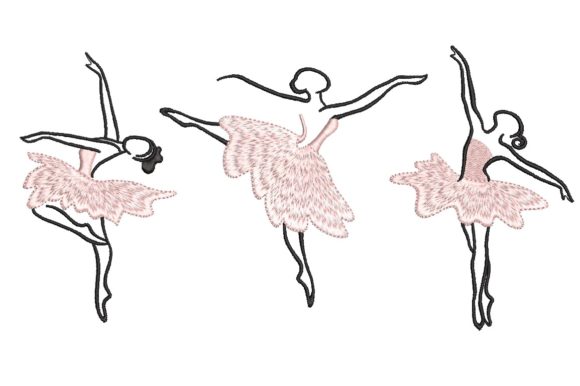
Opening the embroidery file, I immediately noticed how the composition balances festive energy with a surprisingly light touch. The description mentions a “delicate and fresh” feel, and that is exactly what gives Dominican Carnival Figures an edge over bulkier carnival-themed designs. The figures appear to be caught mid-motion—arms raised, costuming implied through flowing lines—without drowning the fabric in solid fills. For a craft fair product, this matters. Designs that stay airy feel more expensive when stitched onto a linen tea towel or the flap of a canvas tote. The linework is clean, the negative space intentional, so the garment’s natural texture still shows through. It reads as artistic, not overwhelming.
What surprised me was how quickly I could picture the design on a range of items. It feels festive enough for a statement piece, yet restrained enough for everyday use. The figures carry a celebratory mood without being so specific that they limit the customer base. A shopper might see a connection to Dance, heritage, or simply a love of bold, flowing silhouettes. That openness is a selling point at a booth where you have only seconds to capture attention.
Best Products to Showcase Dominican Carnival Figures
After testing the design on several blanks, I found clear winners for a market booth setup. The goal is to choose substrates that highlight the stitch density and movement while keeping production practical and cost-effective.
Tote Bags and Market Bags
A natural canvas tote becomes a walking display when you stitch Dominican Carnival Figures in a monochrome thread—charcoal on natural, or a deep rust red. The design breathes well on the open space, and the result feels like wearable art. For an upsell, I’ll offer an organic cotton version at a premium price point. This works especially well for Etsy seller product listings, where lifestyle photos matter.
Aprons and Tea Towels
Linen or linen-blend aprons give the figures a soft, almost painterly finish. A single placement on the chest or a repeating border along the hem of a tea towel can transform a simple kitchen staple into a giftable handmade product. Because the design is not overly dense, it won’t stiffen the towel, which keeps the item functional.
Embroidered Patches and Small Pouches
Scaling the design down for a patch requires careful review, but in my test, reducing it to about 4 inches wide retained the core shapes. I mounted the patch on a denim jacket and also attached it to a small zipper pouch. The response from my preview audience was immediate: “Where can I get this?” That confirms its potential as a craft fair product add-on at a lower price point, perfect for impulse buys.
Caps and Curved Surfaces
Embroidery on caps is always a challenge with highly detailed designs. Dominican Carnival Figures, however, relies on elegant contour rather than micro-details, so it maps onto a baseball cap front reasonably well. I recommend using a flatbill cap to minimize distortion, and running a test to adjust for the curve. This opens up a whole younger demographic at the booth.
Pillow Covers and Home Décor
For boutique makers focused on giftable home accents, this design shines on a 16x16 inch linen pillow cover. Stitched in a gold or coral thread on a neutral background, it brings a sophisticated burst of personality to a room. Booth styling is simple: a chair with a pillow and a coordinating tote creates an instant lifestyle vignette.
How the Design Behaves on Different Fabrics
One of the first things I test is how a machine embroidery design translates across fabric textures and colors. Dominican Carnival Figures held up well on smooth cotton and linen, but I did notice a few considerations.
- Thick, textured towels: The delicate line work can sink slightly into terry loops. Use a topper and stick to a tightly woven flat-weave tea towel for best results.
- Dark fabrics: On black or navy, the figures need high-contrast thread—white, gold, or bright turquoise—to maintain visibility. On mid-tone denim, a dusty pink or mustard thread created a soft, vintage look that felt intentional.
- Stretchy knits: With proper cut-away stabilizer, the design stitched without pulling. I would avoid ultra-thin jerseys, though, as the detail benefits from a stable base.
- Curved cap surfaces: As with any design, test placement carefully. The arm and head shapes read best when centered above the brim, with the design file adjusted slightly to account for the arc.
Production and Stitch Quality Notes
From a production standpoint, Dominican Carnival Figures is a friendly design for batch work. Because the description promises “multiple embroidery file formats,” I could load it into my machine without conversion headaches—check that your preferred format is included before purchasing. While I can’t quote an exact stitch count, the visual lightness suggests a moderate density that won’t bog down production time or consume excessive thread.
I did pay close attention to three things during testing:
- Thread contrast: A subtle shift from dark gray to black might look muddy. I found a high sheen polyester thread worked wonders to make the figures pop, especially on a slightly textured fabric.
- Stabilizer choice: A medium-weight cut-away stabilizer gave the best results across most substrates. For towels, I added a water-soluble topper.
- Hoop size: The design likely fits comfortably in a 4x4 or 5x7 hoop, but verify the specific dimensions so you can plan your layout on bags and aprons without cropping.
One of the best habits I’ve built as a seller is creating at least one printable mockup before committing to inventory. I took a photo of the stitched sample, placed it into a digital mockup for an apron, a tote, and a patch set, then shared those with a few repeat customers. Their feedback directly guided my final product mix.
Booth Display Strength and Customer Engagement
At a live craft fair, the design you choose has to work from six feet away. Dominican Carnival Figures does this beautifully because the silhouette itself is distinct. Even without seeing facial details, shoppers recognize movement and celebration. I plan to display a large tote bag on a peg rack at eye level, a folded tea towel in a basket with the embroidery visible, and a patch pinned to a corkboard sample board. When a customer pauses, I’ll point out the “delicate and fresh” feel the description mentions—this language resonates and justifies the price.
For Etsy seller and online shop owners, photographing this design is straightforward. The negative space lets you play with styling: pair the embroidered item with a colorful scarf, a festive mask, or simply a bright tropical leaf. These shots tell a story and boost click-through. In my experience, products that photograph well and carry a recognizable cultural or artisanal feel often receive higher engagement and can support a premium listing price.
Important Considerations Before Selling Finished Products
While the artistic appeal is strong, I always weigh practical concerns before adding a design to my permanent collection. For Dominican Carnival Figures, here’s what I recommend:
- Confirm commercial licensing: The description does not specify license terms, so reach out to the digitizer to ensure you can sell finished physical products. This is non-negotiable for small shop operators.
- Test on your intended fabric: The “delicate” character means stitch density might feel light on heavily napped fabrics. Run a sample on your exact blank before cutting a whole batch.
- Watch scaling limits: While the design works nicely as a patch, reducing it below 3 inches might cause small connecting threads to disappear. Always inspect a stitched sample at the smallest size you plan to offer.
- Avoid extremely dense lettering: If the design includes any small text elements you haven’t previewed, check those at your planned size. Tiny lettering can lose clarity, especially on textured surfaces.
- Review the embroidery file details: Because the product description cuts off at “multiple embroidery file forma,” verify that your machine format, hoop size, and color chart are included before purchase.
Selling Potential and Brand Consistency
As a boutique maker, maintaining a cohesive brand look is everything. Dominican Carnival Figures fits well within a curated line that celebrates cultural artistry, music, and movement. I see it paired with other Dance-inspired motifs, or used as the sole decorative element on a minimalist accessory. The design adds perceived value to even a simple blank, turning a $3 tote into a $25 handmade statement. Because it doesn’t rely on trendy phrases, it ages well—customers will still love it next season.
From a buyer engagement perspective, the energy of the figures invites questions. “Is that from a carnival?” “Did you design this yourself?” These conversations at a craft fair booth are exactly what convert a browser into a buyer. And when a design sparks genuine curiosity, it travels—word-of-mouth, social media shares, and repeat visits all start there.
Final Verdict: A High-Impact Design for Thoughtful Makers
After spending real time with Dominican Carnival Figures, I can confidently say this machine embroidery design earns a spot in my craft fair lineup. It is not a flashy, over-saturated file; it is an artistic, careful rendering that rewards good fabric choices and intentional thread palettes. For sellers aiming to offer something beyond standard florals or quotes, this design brings a narrative layer that customers appreciate. Whether you stitch it on a tote, frame it in a hoop as wall art, or turn it into a limited-run patch collection, the result feels personal and far from mass-produced.
Just remember to test, photograph, and check your digital embroidery file specifications. A little prep work ensures that when the first customer picks up your finished product, they feel exactly what you intended: a delicate, fresh piece of art that celebrates the joy of carnival.