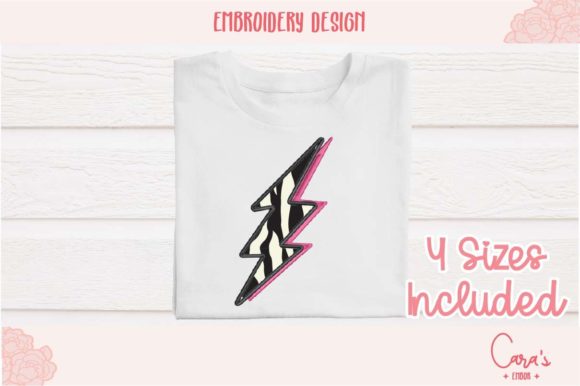
Lightning Bolt Review: A Fierce Add-On for Real Projects
When I first opened the file labeled Lightning Bolt, I didn't see just another shape in a library. I saw a potential hero element for a custom apparel line I was developing for a local boutique. As an experienced designer who spends hours testing files on everything from delicate baby onesies to heavy denim jackets, my initial reaction is usually a mix of excitement and skepticism. This design claims to be simple, fashionable, and cute, promising a fierce look for your outfit. But does it hold up when the needle hits the fabric? In this review, I am putting Lightning Bolt through the wringer of real-world application to see if it deserves a spot in your commercial or personal projects.
The First Impression: Mood and Visual Personality
The moment you place the Lightning Bolt design on your screen, its personality jumps out. It is not overly intricate, nor is it a generic jagged line. The shape feels intentional, capturing that specific energy associated with power, speed, and a bit of rebellious style. For designers looking to add a "fierce" accent without overwhelming a garment, this piece offers exactly what is needed. It sits comfortably in the Shapes category but transcends being merely geometric; it has attitude.
I immediately thought about how this would translate into a finished product. On a dark hoodie, a bright yellow or electric blue bolt could pop dramatically. On a light tote bag, a black outline might offer a sleek, modern graphic feel. The simplicity is its greatest strength here. It avoids the trap of becoming too busy, which often happens with complex shapes that try to do too much. Instead, it acts as a perfect focal point or a subtle detail that says something bold without screaming for attention.
Real-World Application: From Sketch to Stitch
Let's talk about where this design actually shines in a business context. Imagine you are an Etsy seller preparing a holiday collection. You have a batch of canvas aprons and kitchen towels ready for customization. Lightning Bolt fits perfectly here. It adds a touch of whimsy to a functional item, making it an ideal personalized gift for someone who loves cooking or gardening but wants a bit of edge. The design works exceptionally well on items that need a quick visual impact, such as tote bag designs or small shop merchandise.
I also tested the concept on a sweatshirt embroidery project for a youth sports team. Sometimes, teams want a logo that isn't too traditional. A single lightning bolt placed over a heart or near a sleeve seam can elevate a standard jersey into something unique. Similarly, for baby embroidery, this design offers a gender-neutral option that parents love. It is clean enough for a nursery pillow cover yet energetic enough for a child's cap. The versatility is what makes this file valuable for any craft business owner looking to expand their catalog.
However, the success of Lightning Bolt depends heavily on execution. When I reviewed the stitch structure, I noted that the fill areas need to be dense enough to prevent the fabric from showing through, especially on lighter materials. If the stitch density is too low, the "fierce" look turns into a flimsy one. Conversely, if it is too high, the fabric might pucker, particularly on thin materials like t-shirts or lightweight polos. This balance is critical for maintaining professionalism and ensuring customer trust in your handmade products.
Where Caution is Required
No design is a universal fit, and Lightning Bolt is no exception. There are specific scenarios where you must exercise caution. First, consider the hoop size. If you are working with a small hoop, the sharp angles of the bolt might get lost or distorted. The corners need enough room to form cleanly; otherwise, the design will look cluttered rather than crisp.
Textured fabrics present another challenge. While this design looks great on smooth cotton or polyester blends, applying it to a thick fleece or a highly textured knit requires careful planning. The needle might struggle to penetrate the fibers evenly, leading to skipped stitches or uneven coverage. Similarly, stretchy fabrics like jersey or spandex demand a stabilizer strategy that prevents distortion. Without the right support, the embroidery file might pull the fabric, ruining the drape of the garment.
Dense stitch areas are also a consideration. If you plan to use this design on a patch or a location that will undergo frequent washing, the durability of the stitches becomes paramount. The sharp points of the lightning bolt are natural stress points. If the thread tension is off, these tips are the first to fray. Always test the design on scrap fabric before committing to a final product, especially for commercial embroidery projects where returns due to quality issues can damage your reputation.
Visual Appeal and Brand Consistency
In the world of digital product sellers and design assets, presentation is everything. Lightning Bolt creates a strong visual anchor in mockups. Whether you are creating a printable mockup for an online store or a digital preview for a client, the clean lines of the bolt make it easy to visualize against various backgrounds. It conveys a sense of modernity and confidence that aligns well with contemporary branding.
For Etsy sellers and small shop owners, consistency is key to building a loyal customer base. Using a design like this allows you to create a cohesive look across different product types. A matching set of embroidered patches, caps, and tote bags featuring the same lightning motif creates a recognizable brand identity. It signals to buyers that you have a clear vision and a professional approach to your craft. The design's ability to adapt to both holiday embroidery themes and everyday wear makes it a versatile tool for maintaining year-round engagement.
Practical Designer Notes for Success
Before you hit the "Start" button on your machine, there are a few technical steps every designer should take. First, always check the thread color contrast. A white bolt on a white shirt is invisible, while a neon green on a black background might vibrate visually. Test your thread colors to ensure the "fierce" look comes through as intended.
Review the stitch type carefully. Depending on the specific file settings, you might see a combination of satin stitch for the edges and fill stitch for the body, or perhaps a running stitch outline for a softer look. Understanding the composition helps you choose the right stabilizer. A cut-away stabilizer is often best for garments that will be washed frequently, while a tear-away might suffice for temporary applications like hats or caps.
If you are unsure about the file formats or machine compatibility, do not guess. Check the product details provided by the creator. Some files may require specific software versions or have limitations regarding machine embroidery design capabilities. Also, confirm the licensing terms if you intend to sell finished items. Are you allowed to use this in a commercial capacity? Does the license cover digital downloads or only physical goods? These questions are vital for protecting your creative entrepreneur status.
Finally, inspect the small details. Zoom in on the sharp points of the bolt. Do they meet cleanly, or is there a gap? Are the transitions smooth? A tiny flaw in the digitization can become a major issue once stitched. By taking the time to verify these elements, you ensure that your finished product meets the high standards your customers expect. Lightning Bolt is a solid addition to any designer's toolkit, provided it is used with care and creativity.