White Sheep Embroidery: A Design Review for Practical Use
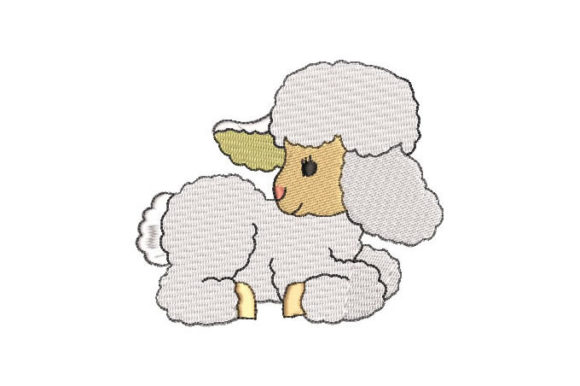
When a new embroidery file lands in my library, my first question isn't just "is it cute?" but "where will it truly shine on a real project?" Today, I'm looking at White Sheep, an embroidery design categorized under Baby Animals. Let's walk through what this little character offers from the perspective of someone stitching it for client work, handmade shop items, or personalized gifts.
The First Impression: Innocent Charm with Clear Application
Opening the design, the mood is immediately clear. This is an innocent, gentle character. The shape is soft and approachable, with a theme that leans into farmhouse decor and children's items without being overly rustic. The layout feels balanced, and the detail level appears designed for clarity when stitched—not so sparse that it looks unfinished, but not so dense that it becomes a thread-heavy burden on thinner fabrics. Its visual personality is sweet and quiet, perfect for projects where you want a touch of warmth without loud cartoon energy.
This isn't a design I'd toss onto a bold, graphic sweatshirt meant for streetwear. Instead, it naturally belongs on a baby's organic cotton romper, the corner of a linen kitchen towel, or the front pocket of a simple canvas tote bag. I picture it on a gift—a personalized pillow cover for a nursery or a subtly embroidered blanket for a newborn. That's its home.
Performance in Real-Life Embroidery Situations
Let's get practical. I'm considering this for a custom order: an embroidered tote bag for a small boutique that sells farmhouse-style goods. How will White Sheep perform?
On sturdy fabrics like canvas for tote bags, cotton twill for aprons, or denim for patches, this design should stitch out cleanly. The presumed satin stitches for outlines and fill stitches for the body will likely create a pleasing texture. For apparel like a soft cotton sweatshirt or a child's t-shirt, the stitch density needs to be appropriate—if it's too high, it could stiffen the fabric. That's a key check before hooping.
For baby clothes, which are often made from finer, sometimes stretchy knits, stabilizer choice becomes paramount. A good cut-away stabilizer would be my first test to prevent puckering. On caps or hats with curved surfaces, the design's size and proportion matter; a too-large sheep might distort on the crown. As a patch, it could be lovely, but turning small details like the sheep's features into a clean edge requires precise stitching.
Where This Design Should Be Used Carefully
Every design has its ideal canvas and its tricky territories. For White Sheep, I'd proceed with caution on very dark fabric if the design file is intended for light threads. The innocent character might lose definition without strong contrast. On textured fabrics like thick wool blankets, fine details could get lost. On thin, drapey fabrics like silk for a special gift, the stabilizer must be impeccable to maintain the fabric's integrity.
Small hoop sizes could be a constraint if the design is large; you need to confirm the minimum hoop requirement. For products needing frequent washing, like kitchen towels or baby bibs, a robust stitch structure that won't fray is essential. And for commercial embroidery projects where time and thread consumption equate to cost, evaluating the stitch count beforehand is a business necessity.
Impact on Product Value and Customer Perception
From a business angle, what does stitching White Sheep onto your product do? It elevates visual appeal through handmade charm. For an Etsy seller specializing in nursery decor, this design adds a cohesive, gentle aesthetic to a product line. Stitching clarity directly affects customer trust—a clean, well-executed sheep on a baby sweater looks professional and cared for, while a messy one suggests haste.
For giftability, this design scores high. It feels personal and thoughtful without being overly specific. Its recognition factor is strong—it's a clear, sweet animal that communicates innocence immediately. This helps with buyer engagement in online listings; a well-photographed embroidered tote bag featuring this sheep can attract the right customer looking for that farmhouse or baby-themed vibe.
Practical Notes for the Embroidery Designer
Before you hoop that client's beloved heirloom linen or start a batch of twenty boutique aprons, here are my grounded recommendations. Always, always test the design on a scrap of your target fabric first. This tells you everything: thread color contrast, actual stitch density, how small details like the sheep's face render, and whether your stabilizer choice works.
Check how it looks in both light and dark fabric backgrounds if you plan to offer color options. Using proper stabilizer isn't just a tip; it's the law for quality results. For digital product sellers creating printable mockups or selling the file itself, ensure your previews accurately represent this gentle character.
Crucially, confirm the licensing terms before selling finished items or incorporating the design into commercial embroidery projects. The product description suggests uses, but the license agreement dictates your rights. Does it cover physical products for your small shop? Can you use it for branded merchandise for your craft business? Never assume.
The Final Stitch: A Design with Clear Purpose
In my assessment, White Sheep is a design with a strong, clear purpose. It's not a generic graphic to be slapped anywhere. Its value lies in its targeted innocence and its fit for a specific market: gifts, baby items, home decor, and farmhouse-style goods. For the creative entrepreneur, it's a digital embroidery file that can become a reliable asset for a product line centered on warmth and gentleness.
My advice is to embrace its niche. Use it where it's meant to be—on that custom baby gift, that boutique kitchen towel, that simple tote bag for a friend. Test it thoroughly, respect the fabric you're stitching on, and clarify its commercial use permissions. Then, stitch it with confidence, knowing this little sheep is designed to bring a quiet, handmade charm to your finished product.