Sea Serpent: A Designer's Real-World Embroidery Review
When I first opened the file for Sea Serpent, my immediate thought wasn't about the technical specs, but rather the mood it evoked. There is a specific kind of magic in embroidery that turns a flat digital image into a tactile story, and this design feels like it was born from deep ocean currents. As someone who has spent years stitching custom apparel, creating boutique merchandise, and refining designs for Etsy shops, I know that the difference between a "nice" pattern and a "sellable" asset often comes down to how the stitches interact with fabric texture and garment shape.
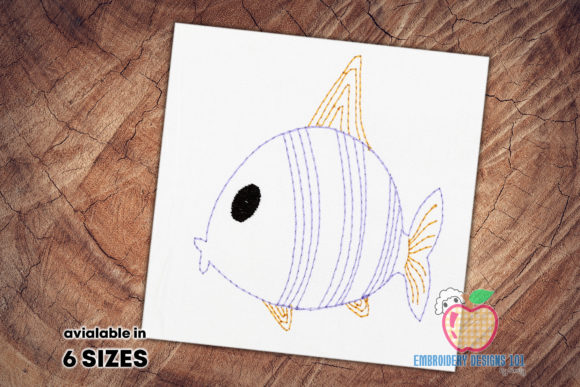
This isn't just another fish motif; it carries a mythical weight that can elevate a simple tote bag or a nursery pillow cover into something memorable. But before you commit to using this as your next commercial product or holiday gift, let's walk through exactly how Sea Serpent performs when it hits the hoop under real-world conditions.
The First Stitch: Visual Personality and Mood
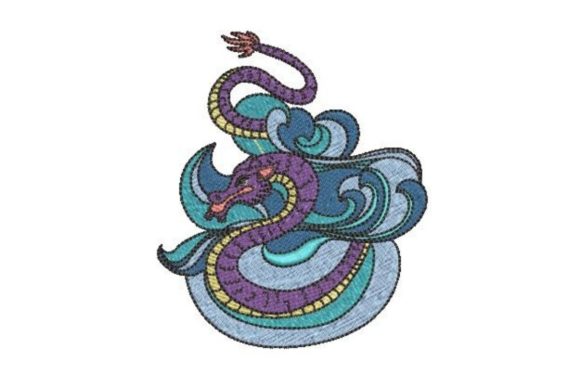
The layout of Sea Serpent suggests movement. Unlike static geometric patterns, this design invites the eye to follow the curve of the body, which translates beautifully in satin stitch. When I visualize this on a dark navy sweatshirt, the potential for high contrast is obvious. However, the true test of any machine embroidery design lies in its ability to hold up against the chaos of daily wear.
In terms of visual appeal, the design strikes a balance between detailed and clean. It avoids the trap of becoming muddy when stitched too densely. For the creative entrepreneur looking to build a brand around nature, mythology, or coastal living, this piece offers a professional look that feels handcrafted yet polished. It creates an instant connection with customers who appreciate unique, narrative-driven art rather than generic clipart-style imagery.
Real-Life Application: From Tote Bag to Boutique Brand
Let's imagine a practical scenario. You are preparing for a local craft fair, and you need a standout item for your booth. You decide to create a line of canvas tote bags featuring ocean themes. Sea Serpent fits perfectly here. The elongated shape allows it to wrap naturally along the side seam of a bag, turning a functional accessory into a conversation starter.
I also see this design thriving on baby items. Imagine a soft cotton onesie or a muslin swaddle blanket embroidered with this creature. The curves are gentle enough to feel comforting to a parent, yet distinct enough to be recognizable. For small business owners selling personalized gifts, this design offers versatility. You could offer variations where the serpent's color changes to match a family's favorite palette, or where it is paired with subtle wave details for a complete set.
Another strong use case is the embroidered patch. If you have access to a heat-seal backing or plan to sew patches onto denim jackets, Sea Serpent provides enough detail to justify the premium price point. Customers buying handmade goods are willing to pay more for items that show thoughtful design choices, and this pattern delivers that perceived value immediately.
Navigating Technical Challenges and Fabric Choices
While the artistic vision is clear, every experienced designer knows that execution is everything. Sea Serpent requires careful consideration regarding where it is placed. For instance, if you attempt to stitch this on a curved surface like a baseball cap, you must be mindful of the distortion. While the serpentine shape might seem forgiving, the tightness of the fill stitches could cause puckering if the stabilizer isn't chosen correctly.
Fabric texture plays a massive role in the final outcome. On a smooth, tightly woven cotton, the definition will be sharp. However, on a textured linen or a thick fleece, some of the finer details might get lost. This is particularly important for commercial projects where consistency is key. If you are producing fifty identical aprons for a client, you cannot afford variability caused by fabric grain.
There are also areas where caution is advised. Small hoop sizes might struggle to capture the full elegance of the design without cutting off essential elements. Similarly, thin fabrics like silk or lightweight rayon require extra care; the tension of the machine needle could easily distort the material, leading to a finished product that looks amateurish. For stretchy fabrics, such as jersey knits used in t-shirts, you will need a high-quality cut-away stabilizer to prevent the design from warping after washing.
Stitch Density and Thread Selection
The success of this project hinges on thread colors and stitch density. A monochromatic approach using varying shades of blue or teal can add depth without overwhelming the viewer. Conversely, a bright, contrasting thread against a dark background makes the design pop, though it demands higher precision to avoid showing gaps in the satin stitches.
If you are unsure about the specific stitch count or file formats included in your download, do not guess. Check the documentation provided with the embroidery file. Different machines handle density differently, and what works on a home hobbyist machine might require adjustment on a commercial multi-head unit. Always review the stitch density to ensure the fabric doesn't become stiff or board-like, which can ruin the drape of a garment.
Professional Tips for a Flawless Finish
Before you rush to start production, there are critical steps every designer should take to protect their reputation and ensure customer satisfaction.
- Test on Scrap: Never run a new design directly onto a finished product. Use scrap fabric from the same batch to check tension, thread pull, and registration.
- Check Contrast: Evaluate the design in black and white mockups to ensure the shapes remain distinct regardless of color choice.
- Inspect Small Details: Zoom in on the digital preview. Are there tiny corners that might break during stitching? Adjusting these digitally before sending to the machine saves hours of rework.
- Confirm Licensing: If you intend to sell the finished items or distribute the digital assets, verify the licensing terms. Commercial rights vary wildly between designers, and assuming they exist can lead to legal issues.
- Stabilizer Strategy: Match your stabilizer to the fabric weight. Heavy-duty projects need heavy-duty support to maintain the integrity of the Sea Serpent curves.
Final Thoughts on Design Value
In the world of handmade products and digital design assets, quality dictates trust. A well-executed Sea Serpent design signals to your buyer that you care about the details. It transforms a simple piece of clothing or home decor into a cherished keepsake. Whether you are a hobbyist making a gift for a loved one or a savvy Etsy seller building a catalog, this pattern offers a strong foundation for creativity.
It is a design that respects the medium of embroidery while pushing the boundaries of what a standard fish motif can achieve. By paying attention to fabric selection, stabilizer choice, and proper testing, you can turn this digital file into a tangible masterpiece that stands out in a crowded market. Just remember, the best embroidery results come from preparation, patience, and a keen eye for the nuances of thread and fabric interaction.